
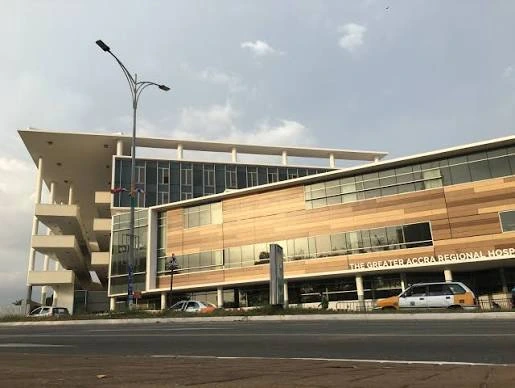
Access to quality healthcare is a fundamental need, yet for many Ghanaians, the cost of medical treatment continues to be a major challenge. Although the country has made significant progress through the National Health Insurance Scheme (NHIS) and investments in healthcare infrastructure, many patients still struggle to afford consultations, laboratory tests, medications and specialised treatments. The cost of healthcare varies significantly between public and private hospitals, with private facilities often charging considerably higher fees. Understanding the reasons behind these differences provides insight into the broader challenges facing Ghana’s healthcare system.
One of the key reasons healthcare is expensive in Ghana is the high cost of running medical facilities. Hospitals depend heavily on imported medicines, medical equipment, laboratory reagents and specialised technologies. Because many of these supplies are purchased in foreign currencies, fluctuations in the exchange rate and rising inflation directly increase the cost of healthcare delivery. Hospitals must also cover the salaries of doctors, nurses and other healthcare professionals, maintain medical equipment, pay utility bills and invest in modern technologies. These operational costs inevitably influence the prices patients pay for medical services.
Public hospitals are generally the more affordable option because they receive financial support from the government and are integrated into the National Health Insurance Scheme. Patients with active NHIS membership can access a range of healthcare services, including consultations, some diagnostic tests and essential medicines, at little or no direct cost. This has improved access to healthcare for millions of Ghanaians, particularly those from low-income households. However, the system has its limitations. Not every treatment, medicine or specialised procedure is covered under the NHIS. Patients are often required to make additional payments for advanced laboratory tests, specialised surgeries, certain prescription medicines and treatments that fall outside the insurance package.
Another challenge facing public hospitals is the delay in NHIS reimbursements. Health facilities sometimes wait several months before receiving payments for services provided to insured patients. These delays place financial pressure on hospitals, making it difficult to restock medicines, purchase medical supplies and maintain equipment. As a result, patients may occasionally be asked to buy prescribed medicines from private pharmacies or pay for services that are temporarily unavailable within the hospital.
Private hospitals, on the other hand, operate under a different financial model. Unlike public facilities, they receive little or no government subsidy and depend largely on patient fees to sustain their operations. They must independently finance staff salaries, medical equipment, building maintenance, administrative expenses and technological upgrades. To remain competitive, many private hospitals invest in modern diagnostic equipment, comfortable facilities, shorter waiting times and personalised patient care. While these improvements enhance the patient experience, they also increase the overall cost of providing healthcare, resulting in higher consultation fees and treatment charges.
The quality of service is another reason many patients choose private healthcare despite the higher cost. Public hospitals often experience overcrowding because they serve a larger proportion of the population, particularly NHIS subscribers. Long queues, extended waiting times and delays in seeing specialists are common challenges in many government health facilities. Private hospitals typically attend to fewer patients, allowing them to provide faster consultations, flexible appointment schedules and more personalised medical attention. For individuals who can afford the additional cost, these conveniences often justify choosing private healthcare.
Specialised medical services also contribute to the price difference between the two sectors. Private hospitals frequently provide advanced diagnostic imaging, specialised surgical procedures and consultant-led services that may not be readily available in many public facilities. Maintaining these services requires continuous investment in expensive medical technologies and highly skilled healthcare professionals. Although major public teaching hospitals also provide specialist care, demand often exceeds capacity, leading to long waiting periods for non-emergency procedures.
Health insurance coverage further highlights the differences between public and private healthcare. While most public hospitals fully accept NHIS, some private hospitals either do not participate in the scheme or limit the range of services covered because reimbursement rates may not fully meet their operational costs. Consequently, many patients attending private facilities pay directly for consultations, investigations and treatment, increasing their out-of-pocket healthcare expenses.
Despite these challenges, both public and private hospitals play essential roles in Ghana’s healthcare system. Public hospitals provide affordable healthcare to the majority of the population and remain the backbone of the country’s health service. Private hospitals complement these efforts by reducing pressure on government facilities, introducing modern technologies and expanding access to specialised care. Together, they contribute significantly to improving healthcare delivery across the country.
Addressing the high cost of healthcare in Ghana will require a combination of policy reforms and sustained investment. Strengthening the National Health Insurance Scheme, ensuring timely reimbursement of claims, expanding public health infrastructure and increasing local production of medicines and medical equipment could help reduce healthcare costs over time. Improving the distribution of specialist services across the country would also reduce congestion at major hospitals and improve access to quality healthcare.
Ultimately, affordable healthcare remains essential to national development. While public hospitals continue to offer the most economical option for many Ghanaians, private hospitals provide faster and often more specialised services at a premium cost. Balancing affordability with quality remains one of the greatest challenges facing Ghana’s healthcare system. Through continued investment, stronger regulation and effective health financing, the country can move closer to a healthcare system that delivers quality, accessible and affordable medical care for every citizen.