
Ghanaian farmers continue to face difficulties selling surplus grains despite government assurances that funds would be released to absorb excess supply, according to the February 2026 AGRA Food Security Monitor Report.
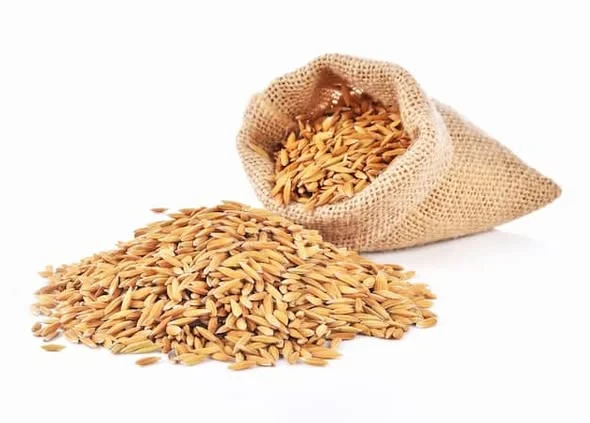
The report noted that large quantities of paddy rice and other grains remain unsold across the country months after farmer groups warned of a looming crisis in the sector. In November last year, the Rice Producers Association and the Apex Farmers Association revealed that more than 1.3 million metric tonnes of grains were stuck in warehouses due to a lack of buyers.
Farmers cultivating rice, maize, and soybeans also staged a demonstration in Tamale, warning that the sector was on the brink of collapse, with over one million metric tonnes of paddy rice valued at about GH₵5 billion lying unsold nationwide.
According to the report, the continued inability to clear the surplus could lead farmers to scale down production in the next growing season, increasing the risk of food insecurity.
Although Finance Minister Dr. Cassiel Ato Forson announced in the 2026 Budget Statement that GH¢200 million would be allocated to the National Food Buffer Stock Company (NAFCO) to purchase surplus food on top of an earlier GH¢100 million allocation. The AGRA report said the funds approved by Parliament have not yet been released by the Ministry of Finance.
The report also highlighted other contributing factors, including the government’s decision to maintain a grain export ban, the high cost of Ghanaian maize discouraging purchases by the World Food Programme, and a shortage of storage space as NAFCO and private warehouses have reached full capacity.
AGRA warned that prolonged storage is already affecting grain quality, particularly rice, which is experiencing increased breakage during milling and declining market value.
The Food Security Monitor tracks food security trends across 17 countries in Eastern, Southern, and Western Africa and aims to provide policymakers with insights to strengthen food systems and address emerging challenges.