
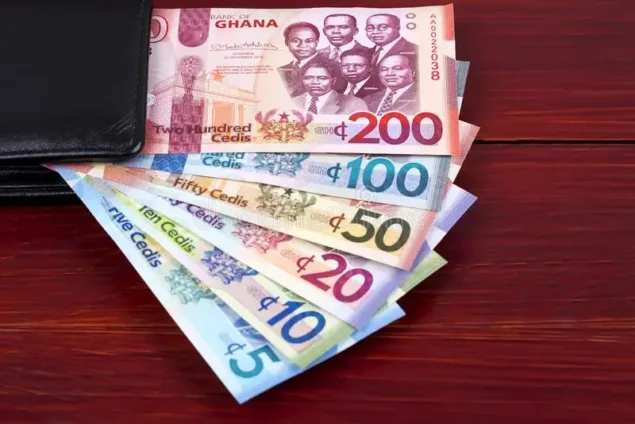
₵1,000. Right here in Ghana, that amount can vanish in a weekend—or quietly multiply if you play your cards right.
We like to think investing is for people in suits, checking charts on three screens. But on the streets of Accra, in Makola, on WhatsApp statuses, and even in your group chats, people are flipping small money into steady profit every day. The real question isn’t whether ₵1,000 is enough. It’s whether you’re willing to move smart with it.
Start with what Ghanaians already understand: trade. ₵1,000 can enter the market in a very practical way—buying and reselling everyday items. Think phone accessories, thrift clothing, or even food items in bulk. The game here isn’t just buying and selling—it’s timing, packaging, and knowing your audience. A simple product, presented well on WhatsApp or Instagram, can double its value faster than you expect.
Then there’s the quiet rise of digital investing. Platforms like CediManager are opening doors for young people to put their money into treasury bills and other low-risk options. It’s not flashy, and you won’t wake up rich overnight—but it’s steady, and in a country where inflation can eat your savings alive, steady matters.
But let’s be honest—Ghanaians don’t just like safe. We like opportunity. That’s where skills come in. ₵1,000 can be flipped into a tool for learning something that pays repeatedly. Graphic design, video editing, social media management—skills that can turn one client into ten. The investment here isn’t just money; it’s leverage. Once you learn, nobody can take it from you.
And then there’s food. Always food. From waakye to smoothies, Ghana’s food economy never sleeps. With the right location and consistency, ₵1,000 can start a small food hustle that grows purely on demand. People may negotiate your price—but they won’t negotiate hunger.
Of course, not every path is smooth. Some people will lose that ₵1,000 chasing quick returns or falling for “too good to be true” schemes. If it promises instant wealth, it’s probably designed to take yours. Real profit in Ghana often looks less like a miracle and more like repetition—buy, sell, reinvest, repeat.
What makes this interesting is that ₵1,000 is no longer just spending money. In the right hands, it’s seed capital. It’s a starting point. And across Ghana, more young people are beginning to treat it that way—not as something to survive on, but something to grow.