
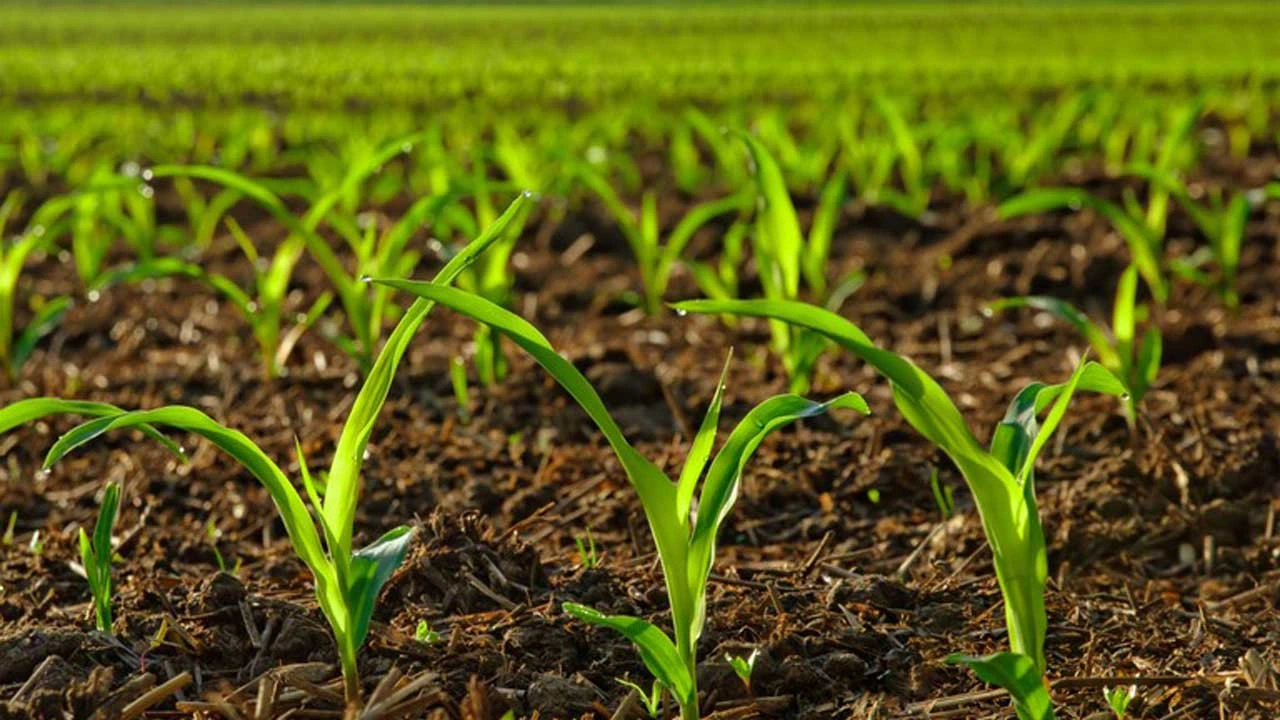
Agribusiness in Ghana is increasingly emerging as one of the most lucrative sectors of the economy, driven by rising food demand, urbanisation, and expanding export opportunities. Industry analysts and agricultural stakeholders say the shift from subsistence farming to commercial agriculture is opening up new income streams across the value chain, from production to processing and distribution.
Among the most profitable ventures is poultry farming, which continues to attract investors due to the high local demand for chicken and eggs. Producers benefit from relatively quick returns, especially in broiler production, while egg sales provide steady daily income. Similarly, fish farming, particularly tilapia and catfish has gained momentum as a reliable source of protein, with declining marine fish stocks increasing dependence on aquaculture.
Export-oriented crop farming also remains a cornerstone of profitability. Cocoa, a major foreign exchange earner, continues to dominate, while cashew and oil palm are gaining ground due to strong international demand and multiple industrial uses. Agricultural experts note that these crops offer long-term financial returns, especially when managed on a commercial scale.
In the horticulture segment, vegetable farming is proving highly profitable, especially in urban and peri-urban areas. Crops such as tomatoes, peppers, and lettuce are in constant demand, and the adoption of greenhouse technology is enabling year-round production and access to premium markets. Fruit farming, including pineapple, mango, and citrus, is also expanding, supported by export opportunities and value addition through juice processing.
Beyond primary production, agro-processing is increasingly being identified as the most profitable segment of agribusiness. Processing raw materials such as cassava into gari, starch, and flour significantly increases their market value. Likewise, rice farming combined with milling and packaging is helping to reduce imports while boosting local earnings.
Emerging ventures such as beekeeping and organic fertiliser production are also gaining attention for their low startup costs and high returns. Beekeeping, in particular, offers multiple income streams from honey and related products, while organic fertilisers are seeing increased demand as farmers seek sustainable alternatives to chemical inputs.
Stakeholders emphasise that profitability in agribusiness depends not only on production but also on efficient market access, storage, and value addition. With government support and growing private sector interest, the sector is expected to play a key role in job creation and economic growth.
As Ghana continues to prioritise agricultural transformation, experts say agribusiness presents a viable pathway for wealth creation, particularly for young entrepreneurs seeking sustainable and scalable opportunities.