
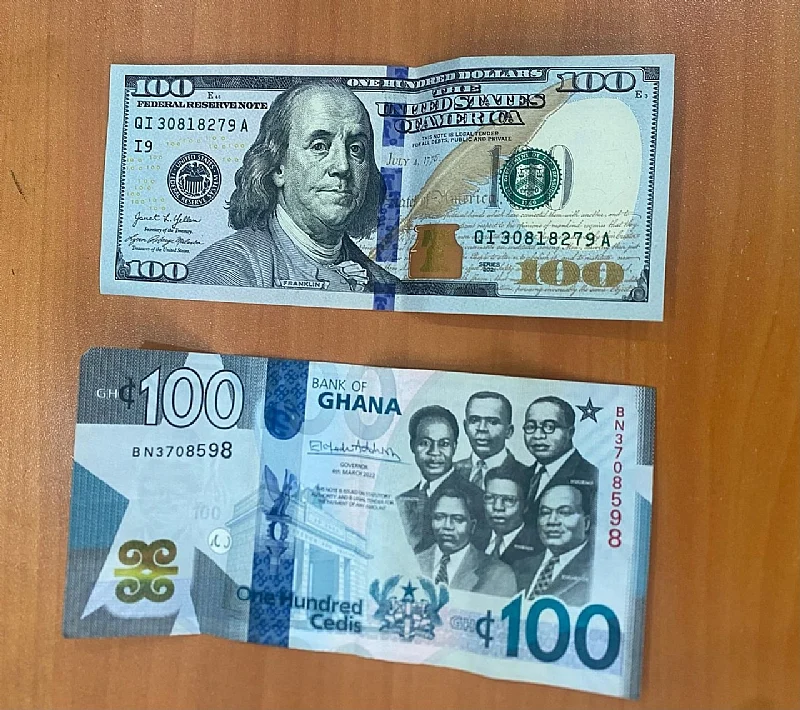
The Ghana cedi depreciated by 7.9 per cent against the United States dollar on the interbank foreign exchange market during the first half of 2026, according to the Bank of Ghana’s latest Monetary Policy Report.
The report also showed that the cedi weakened by 6.5 per cent against the British pound and 5.3 per cent against the euro on a year-to-date basis as of June 2026.
The Bank of Ghana attributed the decline to renewed pressures in the domestic foreign exchange market, despite a weaker US dollar on international markets. The cedi came under significant pressure in May before recovering, helping to limit the overall losses recorded during the period.
The depreciation marks a sharp reversal from the same period in 2025, when the cedi appreciated by 42.6 per cent against the dollar, 30.3 per cent against the pound and 25.6 per cent against the euro.
Despite the losses, the Central Bank said the cedi recorded lower volatility during the first 140 transaction days of 2026 compared with previous years.
The BoG expressed optimism about the medium-term outlook, citing expected improvements in foreign exchange market conditions and continued remittance inflows as factors that could support the local currency.
On a trade-weighted basis, the cedi depreciated by 6.1 per cent in nominal trade-weighted terms and 8.3 per cent in nominal foreign exchange transaction-weighted terms during the review period.