
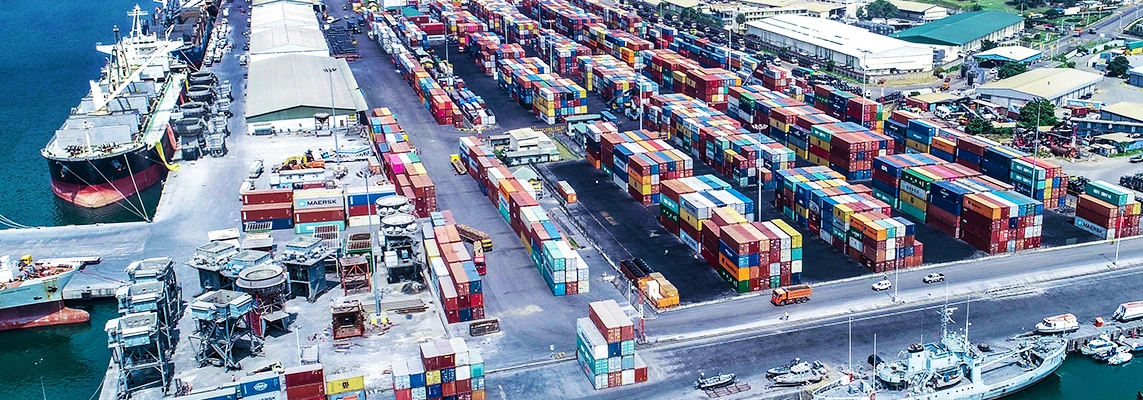
The Commissioner-General of the Ghana Revenue Authority (GRA), Anthony Sarpong, has disclosed that Ghana lost over GH¢11 billion in revenue due to under-declaration and various irregularities at the nation’s ports.
Speaking on Joy FM’s Super Morning Show on Friday, April 10, Mr. Sarpong characterized the scale of the leakages as alarming, noting that the extent of the issue was identified following a comprehensive five-year review of past data.
“This is very significant. When we took office, we did a study of past data over about five years, and the results were very revealing,” he said.
The Commissioner-General attributed the losses primarily to inaccuracies regarding the country of origin, the classification of goods, and valuation. He further revealed that investigations pointed to systemic collusion between shipping line personnel, customs officials, and certain importers.
“We found that there was some collusion among shipping line staff, customs officers and some importers, and this is how the scheme was being run,” he stated.
Mr. Sarpong explained that the previous reliance on human-centered systems provided excessive discretion, which facilitated these practices. This necessitated the implementation of the Publican AI system to minimize human interference and enhance the accuracy of duty assessments.
“The use of AI automation… looking at country of origin, classification and valuation, will give us the opportunity to see ahead of time. That is how we ended up bringing in the Publican to help solve this challenge,” he explained.
Addressing reports that the country loses approximately $3 million daily at the ports, Mr. Sarpong confirmed that data from the new AI system supports these figures. He noted that while manual checks were previously limited, the AI now reviews every declaration submitted.
In February alone, the system analyzed more than 6,000 import declarations. Mr. Sarpong noted that while 75% were found to be compliant, the remaining 25% flagged by the system represented a significant loss.
“Seventy-five per cent of it, Publican said it was okay… within range. But the 25 per cent it flagged gave us a daily average of 3 million US dollars,” he noted.
He stated that this could result in over GH¢1 billion in potential monthly revenue losses if not addressed, adding that during busier months like March, the daily average increases to between $3 million and $3.5 million.
Beyond revenue collection, Mr. Sarpong emphasized that the Publican AI system would ensure a fairer business environment by eliminating the pricing advantages enjoyed by those who under-declare.
“Those who under-declare are not paying the right taxes, and they have an advantage in pricing over those who comply,” he explained. “If we are able to bring that 25 per cent to pay correctly, they will be at par with everybody, and market distortions will be fair. So for businesses and traders, we believe that that’s one of the advantages Publican is bringing.”