
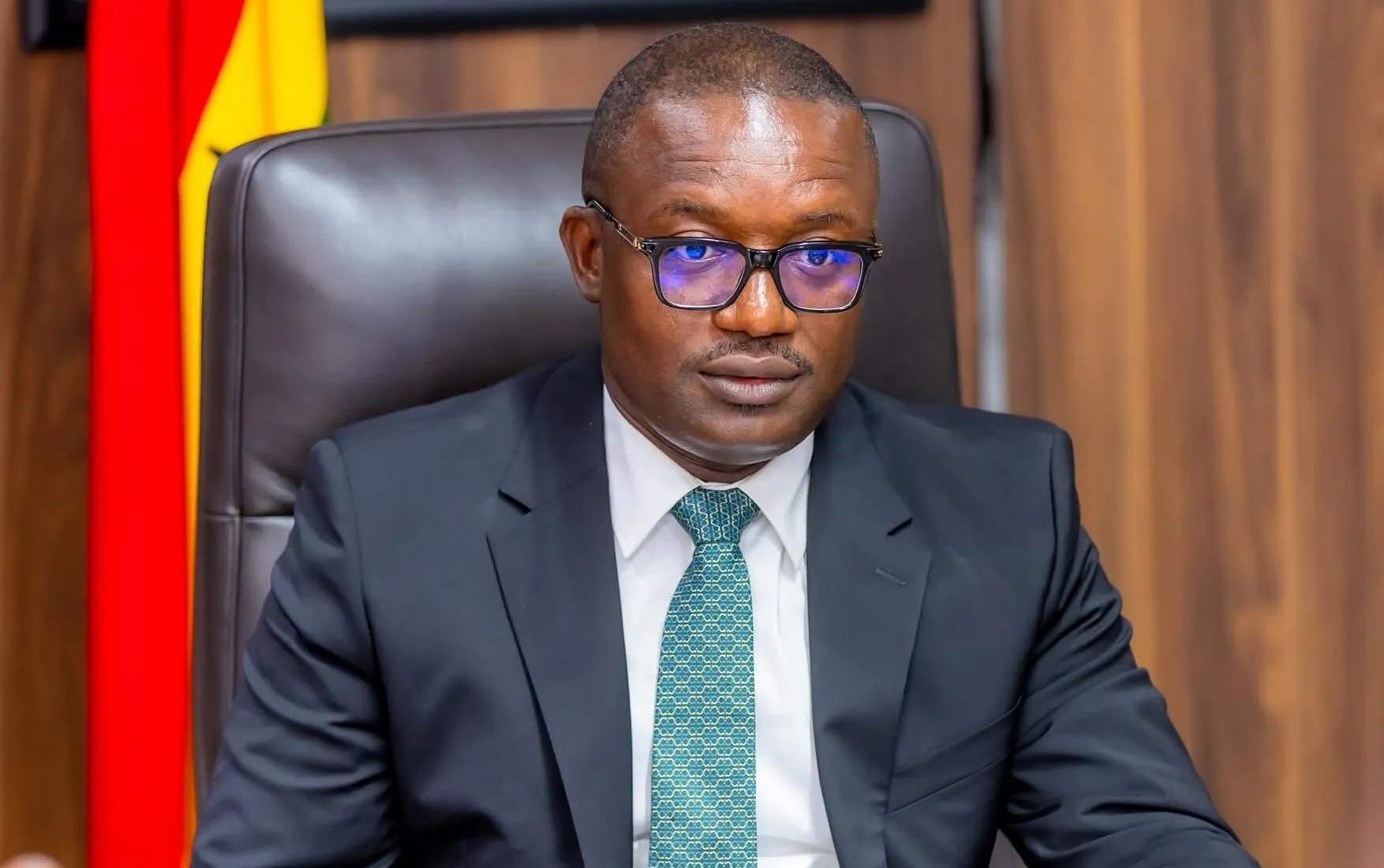
Ghana’s crude oil production is projected to increase for the first time in nearly six years following the securement of over US$3.5 billion in upstream investment commitments, according to the Minister of Energy and Green Transition, Dr. John Jinapor.
Speaking at the Ghana-UK Investment Summit 2026, Dr. Jinapor stated that the country’s energy sector is entering a period of renewed growth and stability. The announcement follows the release of the 2025 annual report by the Public Interest and Accountability Committee (PIAC) on petroleum fund utilization, which revealed that domestic crude oil production had declined for the sixth consecutive year in 2025.
According to PIAC data, production fell from a peak of 71.44 million barrels in 2019 to 37.3 million barrels in 2025, representing a compounded annual average decline of nine percent.
To reverse this trend, the government has resumed major drilling operations. “We have secured over US$3.5 billion in upstream oil and gas investment commitments, resumed major drilling activities, and expect crude oil production to increase for the first time in almost six years,” Dr. Jinapor said.
The Minister reaffirmed the state’s dedication to developing a secure, affordable, reliable, and sustainable energy system. He explained that through the National Energy Policy and Energy Transition Framework, the government aims to maximize domestic oil and gas resources, expand renewable energy, and advance plans for nuclear power.
Dr. Jinapor also outlined various investment avenues within the country, including gas infrastructure, gas-to-power initiatives, renewable energy, power sector modernization, and upstream petroleum, which he described as essential pillars to establish Ghana as a regional energy hub and accelerate industrial transformation.
In a statement shared on Facebook after the summit, the Minister extended an invitation to international partners to invest in the country.
“I concluded by inviting investors to partner with Ghana at this pivotal moment. With restored confidence, a stable policy environment, ongoing reforms, and a commitment to private-sector-led growth, Ghana is open for business and ready to deliver long-term value and shared prosperity,” he wrote.