
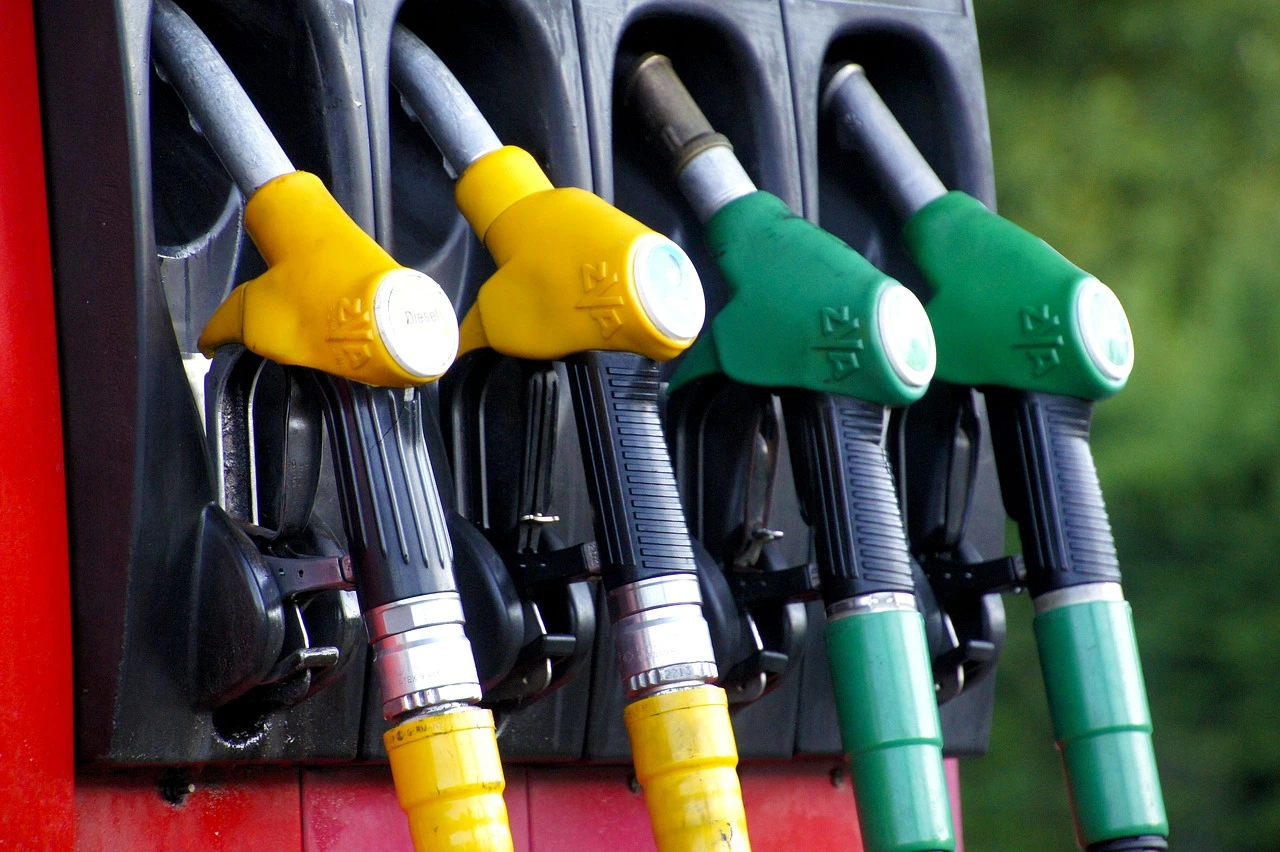
Fuel prices in Ghana continue to rise and fall, affecting drivers, passengers, and businesses across the country. Many people often wonder why the cost of petrol and diesel changes so frequently and what these changes mean for transport fares.
One of the main reasons fuel prices change is the price of crude oil on the international market. Ghana imports a large amount of its fuel, so when global oil prices increase, fuel becomes more expensive in the country. When oil prices fall, fuel prices may also decrease.
Another important factor is the exchange rate between the Ghana cedi and the US dollar. Since fuel is bought in dollars, a weaker cedi means importers have to spend more money to bring fuel into the country. This usually leads to higher prices at filling stations.
Taxes, levies, and transportation costs also contribute to fuel prices. Any changes in these charges can affect the final amount consumers pay for fuel.
When fuel prices increase, transport operators often face higher operating costs. As a result, transport unions may ask for an increase in transport fares to help drivers cover their expenses. This means passengers have to pay more for their daily journeys.
Higher transport fares can also affect the prices of goods and services. Traders and businesses spend more on transportation, and these costs are sometimes passed on to consumers. This can make food and other essential items more expensive.
On the other hand, when fuel prices go down, there are usually calls for transport fares to be reduced. However, transport operators often argue that other expenses, such as vehicle maintenance and spare parts, remain high, making it difficult to lower fares immediately.
Economic experts say stable fuel prices are important because they help families and businesses plan their budgets. Frequent changes in fuel prices can create uncertainty and increase the cost of living.
As Ghana’s economy remains connected to global markets, fuel prices are expected to continue changing from time to time. For many Ghanaians, these changes will remain an important issue because they directly affect transportation costs and everyday life.