
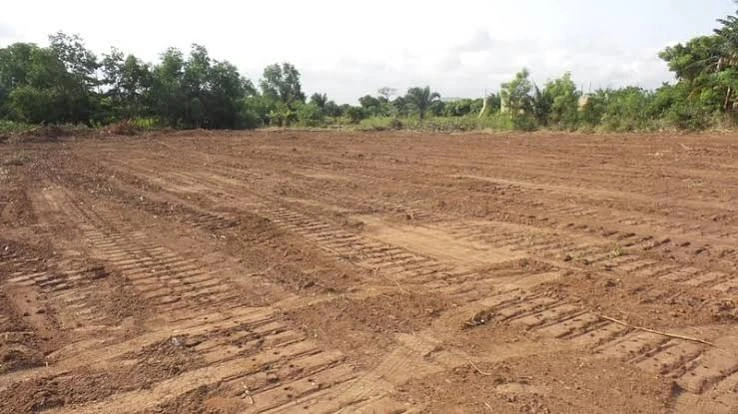
Buying land in Ghana is one of the most significant investments many people make, whether for building a home, starting a business or securing their financial future. However, land ownership disputes, fraudulent sales and multiple claims to the same property remain common challenges across the country. Every year, unsuspecting buyers lose thousands of cedis after purchasing land from people who either do not own it or lack the legal authority to sell it. While these risks exist, property experts and legal practitioners agree that they can be greatly reduced through proper due diligence and adherence to the right procedures.
The first and perhaps most important step in purchasing land safely is to verify ownership through the Lands Commission. Before making any payment, prospective buyers should conduct an official title search to confirm that the seller is the legitimate owner of the property. A search at the Lands Commission also reveals whether the land has already been sold, is under litigation, has been mortgaged, or is affected by any government acquisition or legal restrictions. Relying solely on documents presented by a seller without independent verification can expose buyers to costly fraud.
Hiring a qualified property lawyer is equally essential throughout the buying process. A lawyer can examine land documents, verify their authenticity, review contracts and ensure that the transaction complies with Ghana’s land laws. Legal professionals also help buyers understand the nature of the land they intend to purchase, whether it is stool land, family land, state land or private property, as each category has its own legal procedures and ownership requirements. Their guidance can prevent buyers from unknowingly entering into invalid or disputed transactions.
Beyond documentary verification, experts advise prospective buyers to physically inspect the land before concluding any agreement. Visiting the site with a licensed surveyor helps confirm that the boundaries correspond with the official site plan and that there are no encroachments or conflicting claims. It is also advisable to speak with neighbouring landowners, local authorities or traditional leaders, who may provide valuable information about the history of the land and whether it is the subject of any ongoing disputes.
One of the most common mistakes buyers make is allowing themselves to be pressured into making quick payments because a seller claims there are multiple interested buyers or offers an unusually low price. Fraudsters often use urgency to discourage buyers from carrying out proper checks. Property professionals recommend treating any deal that appears too good to be true with caution. Taking time to verify every aspect of the transaction is far less costly than dealing with years of litigation or losing the investment altogether.
Proper documentation is another critical safeguard against land fraud. Buyers should insist on receiving all relevant documents, including a valid site plan, indenture, title certificate where applicable, receipts and any necessary approvals. Every payment should be officially documented, and the completed transaction should be registered with the Lands Commission to secure legal ownership. Registration not only protects the buyer’s interest but also provides stronger legal evidence in the event of future disputes.
As Ghana’s real estate market continues to grow, the demand for land is increasing rapidly, making the sector attractive to both genuine investors and fraudsters. For this reason, due diligence should never be viewed as an optional step but as an essential part of every land transaction. Conducting thorough searches, engaging qualified professionals, physically inspecting the property and ensuring proper documentation can significantly reduce the risk of falling victim to scams.
Ultimately, buying land safely in Ghana requires patience, caution and informed decision-making. While the process may seem lengthy, following the right legal procedures provides peace of mind and protects one of the most valuable investments an individual can make. By prioritising verification over haste, prospective landowners can avoid costly mistakes and secure property with confidence.